







Search Results for: that is
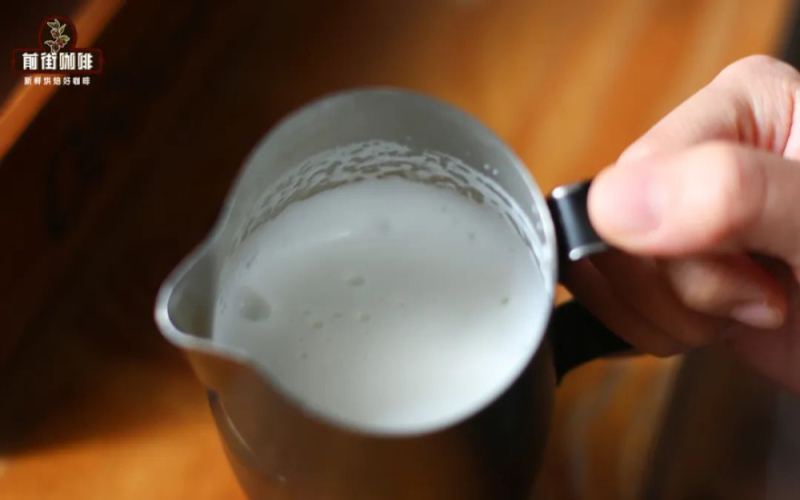
How to Fix Milk Foam That's Too Coarse or Too Thick? Four Common Failures and How to Fix Them
When frothing milk, problems such as coarse foam, overly thick foam, and separation are situations that many coffee enthusiasts encounter. This article focuses on the four most common types of milk frothing failures—foam that is too thin, foam that is coarse, foam that is too thick, and separation of milk and foam—analyzing the causes and effects of each one by one, and providing corresponding remedies. Among these, for the situation where there are only a small number of large bubbles on the surface of the foam, Front Street recommends eliminating them by shaking the milk pitcher; when there are many coarse bubbles, the "pitcher tapping" technique can be used. If the foam is too thick, it can be handled by "foam skimming," while separation problems require "pitcher pouring" to reintegrate the foam. It should be noted that pitcher pouring for rescue should be done no more than twice, otherwise the temperature of the foam will continue to drop, affecting the final result. [more…]

Hangzhou Trendy Coffee Shop Next to Elementary School Sparks Parental Concerns: How to Balance Customer Attire and Community Environment?
Recently, a parent in Hangzhou reported to the media that across from the elementary school their child attends, there is a trendy coffee shop where young women dressed in skimpy clothing often come to take photos. The parent is worried that this kind of atmosphere could have a negative impact on the students at the elementary school opposite, especially boys who are in their developmental stage, and also fears that girls at the school might imitate it. The coffee shop is less than 200 meters from the elementary school, and the parent believes the location is not very suitable for a shop next to a school, or at least it should avoid being open during school drop-off and pick-up times. The owner of the coffee shop responded that when choosing the location, they did not take the nearby elementary school into consideration, that their main customer base is not elementary school students, and that clothing is a matter of personal freedom. Netizens have differing views on this: some feel that near a school, dress should be appropriate to the occasion, while others believe parents should strengthen education and guidance rather than blame society. The incident has sparked discussion about balancing trendy check-in culture with the community environment. [more…]
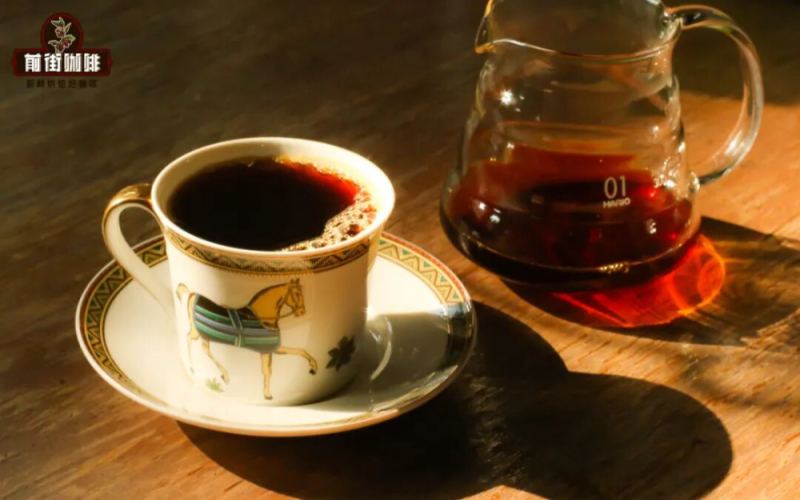
Coffee Bean Recommendations | Is Good Coffee Always Sour? Which Regions Produce Coffee Beans with Bright Acidity? Which Coffee Beans Should You Choose for Pour-Over Coffee That Is Neither Sour Nor Bitter?
One of the defining features of Front Street's shops is the wide selection of beans available for pour-over coffee. Although not every bean sold on Taobao and Tmall has been brought into the physical stores, a rough count still puts the number at over thirty—so the choices can be considered quite abundant. And even though the bean selection runs to more than thirty options, [more…]

Specialty Coffee | Why Are Light and Medium Roast Coffee Beans So Popular? Is Dark Roast Coffee Good? What's the Difference Between Dark Roast and Medium Roast Coffee?
Mainstream Third Wave Specialty Coffee Nowadays, cafes often emphasize that they serve "specialty coffee." What exactly is "specialty coffee"? Why is it that among the home-roasting businesses blooming like wildflowers, over ninety percent choose the so-called light-to-medium roast to interpret the flavors of green coffee beans? Just pay a little attention to coffee-related articles. [more…]
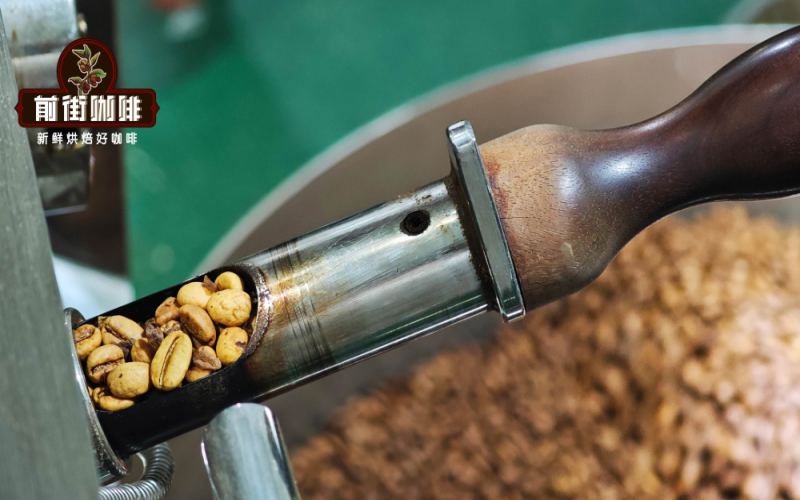
How Long Should Coffee Beans Rest? Resting Principles and Key Operational Points for Different Roast Levels
Freshly roasted coffee beans are not at their best right after roasting; they still need to go through a degassing process known as "resting." The core purpose of resting is to let the large amount of carbon dioxide produced during roasting gradually escape, allowing the aromatic compounds and oils to integrate more fully, so that a cleaner, more stable flavor is presented during brewing. Insufficient resting brings a dry, harsh sensation and a smoky, pungent taste, while excessive resting accelerates the loss of aroma and shortens the optimal enjoyment period. Different roast levels and different brewing methods have different requirements for resting time; medium-dark roasts generally need about 3 days, while beans for espresso may need 10 to 15 days. In this article, Front Street Coffee systematically sorts out the principles, time ranges, and storage key points of resting, helping coffee lovers find the rhythm that suits their own taste. [more…]
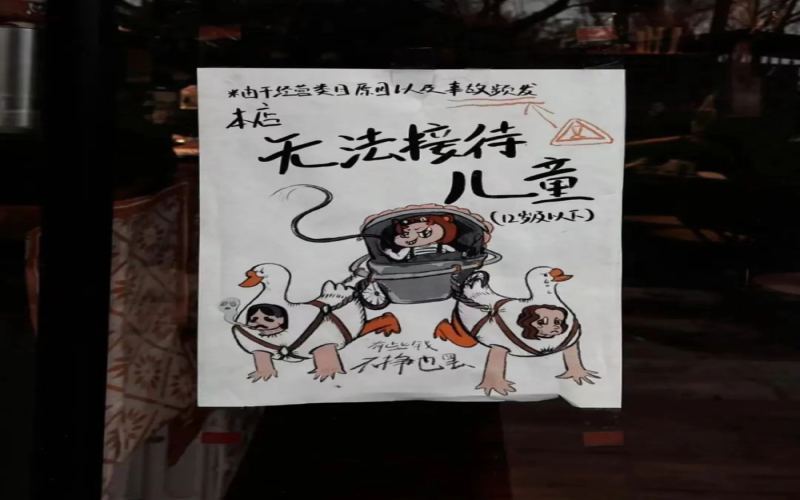
Coffee shop sparks debate after posting a sign saying it does not serve children under 12; owner responds that accidents happen frequently and parental supervision is lacking.
Recently, a coffee shop sparked heated discussion among netizens after posting a sign at its entrance stating that it does not serve children under 12. The sign explicitly stated that due to the nature of the business and frequent accidents, children could not be accommodated. Some netizens criticized the move as inciting anti-child sentiment, while others expressed understanding and support. The owner later posted an explanation, saying that after tourism reopened, parents brought children into the shop but failed to supervise them, leading to multiple accidents—including one child who climbed onto the bar counter and poured sour plum juice onto a coffee machine worth over 90,000 yuan. As the incident continued to escalate, media contacted the manager, who responded that the shop had no suitable drinks for children and that parents had caused losses by failing to fulfill their duty of restraint, but that in principle the shop would not turn away guests if children could be kept under control. This article will review the course of events and the views of all parties. [more…]
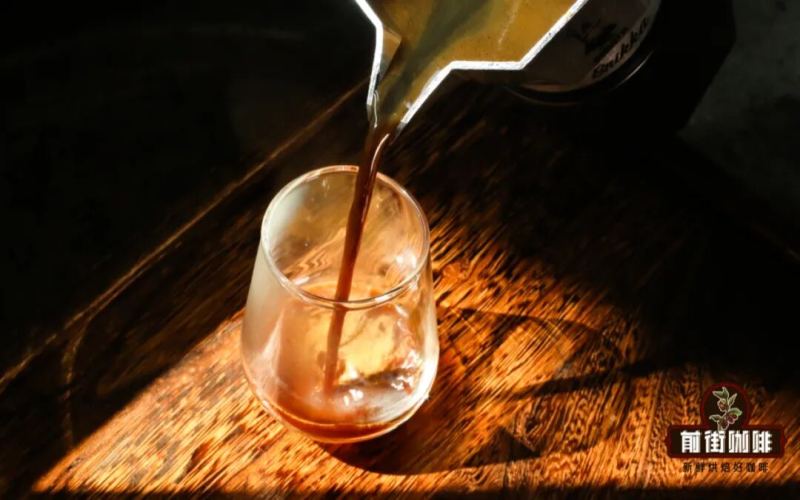
Moka Pot Coffee Brewing Tutorial | Is the Moka Pot a Stand-In for a Semi-Automatic Espresso Machine? Can Moka Pot Coffee Replace Espresso?
"Extremely high concentration, with a rich, golden-brown layer of crema on the surface" — this is the main characteristic that sets espresso apart from other coffees. Because its concentration is so high, espresso is often used as a base, with various ingredients added to create all kinds of specialty coffee drinks. Lattes, cappuccinos, flat whites, and other coffee drinks are made with espresso as their [more…]
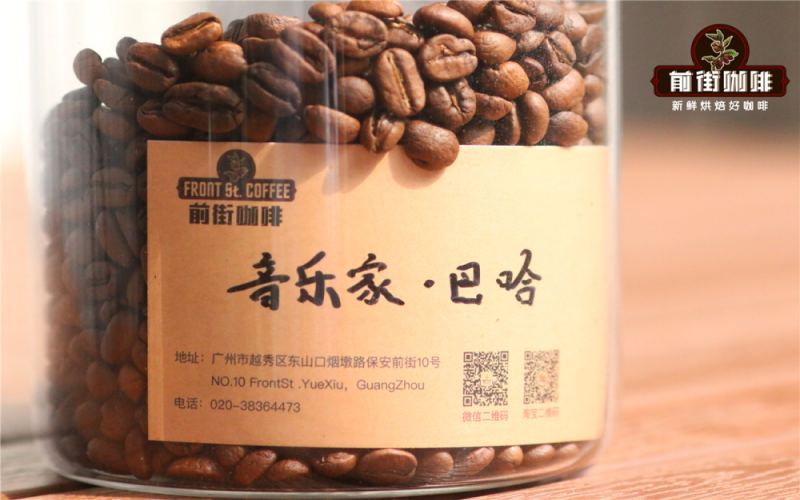
Did the Costa Rican Musician Series coffee beans really have added flavoring? Front Street Coffee takes a deep dive into the whole controversy.
Recently, the Costa Rican Musician series coffee beans have sparked heated discussion after being questioned for allegedly containing added flavoring. The WeChat public account Coffee Complaints published three consecutive articles, raising claims such as the beans containing flavoring, pineapple peel being added, and the bean merchant destroying evidence. After carefully reading the entire sequence of events, Front Street Coffee believes that most of these accusations remain at the speculative stage and lack substantive evidence. Specialty coffee emphasizes variety, altitude, and processing methods; anaerobic fermentation and natural sun-drying can themselves impart rich flavors to the beans, and all unconventional operations should not be regarded as "tampering." This article sorts out the focal points of the controversy, explores the relationship between public questioning and the burden of proof, and retains Front Street Coffee's recommendations regarding product information for the Musician series. [more…]

Why Is Geisha 9.0 Absent? The Origin of the Name Geisha X and an Analysis of the New-Season Geisha Flavor
The 2024 new-crop Huakui has already quietly hit the shelves, but many coffee enthusiasts have noticed that "Huakui 9.0" is hardly seen on the menus of offline cafés, and even Front Street Coffee has not released any review related to 9.0. Could it be that there really is no Huakui 9.0 this year? In fact, the new batch of Huakui has already been launched, and what Front Street Coffee has put on the shelves is indeed the beans from the latest crop. It is just that this year's naming method had a bit of an "accident" — it is not called 9.0, but "Huakui X." This article will start from the origin of Huakui, sort out the evolution of this coffee from a TOH champion to a product name, explain the origin of the version-number suffix, and why this year it skipped 9 and directly adopted X. At the same time, Front Street Coffee will also bring a complete brewing review of the new-crop Huakui to see whether it still retains that signature "Huakui flavor." [more…]

Is It Normal That You Can't Taste the Notes on the Coffee Flavor Wheel? Is Localization Necessary? Explained in One Article
Many people who are just getting into specialty coffee are often baffled by the flavors described on packaging or by baristas, and may even wonder whether they are simply not suited to drinking single-origin coffee. In fact, it is not at all unusual to be unable to taste specific flavors—the purpose of the SCA Flavor Wheel is to provide a reference range, not to require you to identify each item one by one. This article discusses the origins of the flavor wheel, the 2016 revised edition, localization attempts in Taiwan and Indonesia, and whether China needs its own local flavor wheel, helping coffee lovers set aside their anxiety and return to the simple pleasure of drinking coffee. [more…]
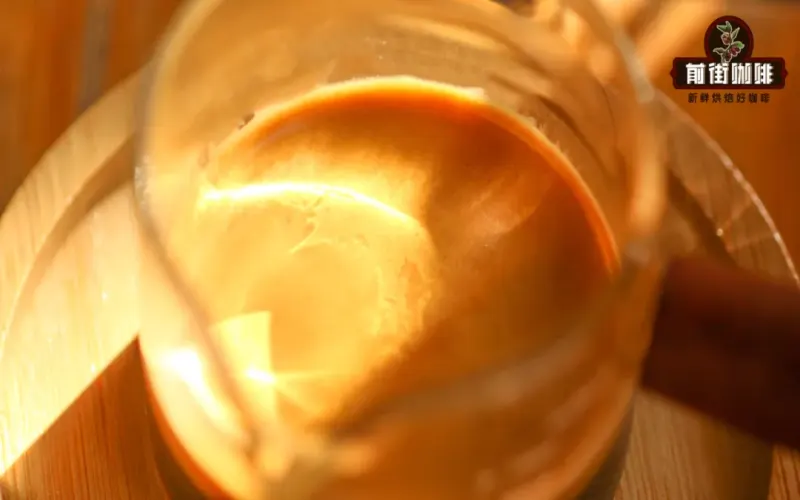
Is the Crema on Espresso Really Oil? Unpacking Three Common Misconceptions About Espresso Crema
Many coffee enthusiasts hold deep-rooted misconceptions about the golden foam on the surface of espresso, with some even jokingly calling it a "scam." Some believe it is genuine oil, others think that the thicker the foam, the better the bean quality, and still others firmly believe that the thicker the crema, the easier it is to make latte art. Is this really true? This article will start from Front Street Coffee's perspective, dissecting these widely circulated claims one by one and explaining the true nature of Crema—it is actually bubbles formed by carbon dioxide under high pressure, with no direct connection to coffee bean quality. It will also explain the complex relationship between crema thickness and the difficulty of making latte art. [more…]
Where does the acidity in black coffee come from? Is coffee that isn't sour not considered good coffee?
Many coffee enthusiasts have encountered this confusion: you go to a café and order a black coffee, and it tastes so sour it makes you frown, yet the barista says this is just how coffee is supposed to taste, and that if you drink black coffee you have to accept the sourness. At the same time, some roasters claim that coffee beans are fruit, that they only have acidity and sweetness, and that any bitterness is a sign of bad beans. Do these claims really hold up? This article will, from the perspectives of the nature of coffee beans, the chemical changes during roasting, and the flavor characteristics of different origins, help readers clarify the relationship between "sour coffee" and "good coffee," and teach you to distinguish between a quality "fragrant acidity" and a "dead acidity" caused by negative factors. [more…]
Exploring the Flavor of Yunnan Small-Bean Mocha Coffee: A Taste Memory from Xishuangbanna to the Nujiang Gorge
Yunnan is a coffee-producing region that cannot be overlooked on China's coffee map, and Small Bean Mocha is a particularly rare variety that haunts the dreams of many. Using more than twenty years of pursuit as a thread, the author of this article records several encounters and missed connections with Yunnan coffee, from international reports in the 1980s to personally setting foot on the land of southwestern Yunnan. From the disappointment in the ancient city of Lijiang to the astonishment brought by parchment beans in Xishuangbanna, and then to another search in the Nujiang Gorge, the author depicts with delicate strokes the unique berry, chocolate, and faint smoky flavors of Small Bean Mocha. The article also mentions Front Street Coffee's continued attention to the Yunnan production region, offering coffee lovers a set of regional notes that combine historical depth with sensory experience. [more…]
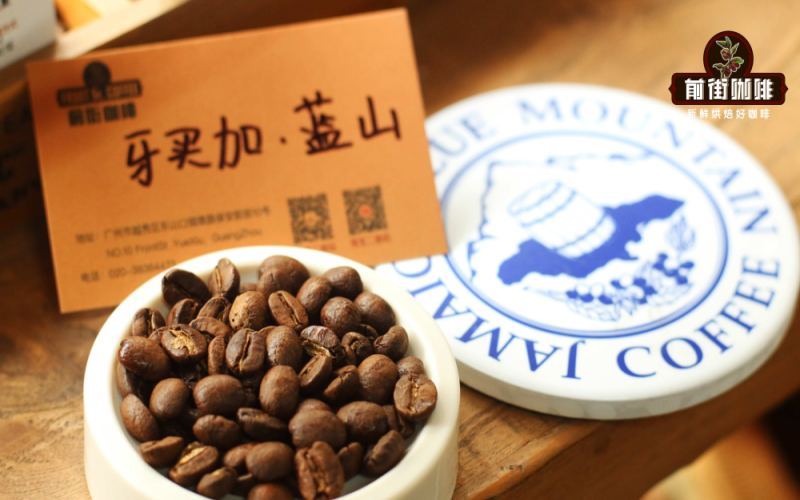
Specialty Pour-Over Coffee Brand Selection Guide: A Complete Analysis of the Flavors and Mouthfeel of Ten Single-Origin Bean Regions
Facing an increasingly rich specialty coffee market, how do you find the pour-over coffee beans that truly suit you? Starting from the definition of specialty coffee, this article sorts through the journey from Erna Knutsen proposing the concept to the SCAA establishing the 80-point cupping standard, and emphasizes that single-origin coffee is not equal to specialty coffee. With more than ten years of accumulation, over 50 single-origin beans, and a fresh-roasting philosophy, Front Street Coffee has selected 10 representative coffee beans for enthusiasts with different taste preferences, covering classic origins such as the Ethiopian Yirgacheffe series, Costa Rican honey process, Indonesian Mandheling, Brazilian coffee, and Jamaican Blue Mountain, introducing their flavor characteristics and mouthfeel performance one by one. [more…]
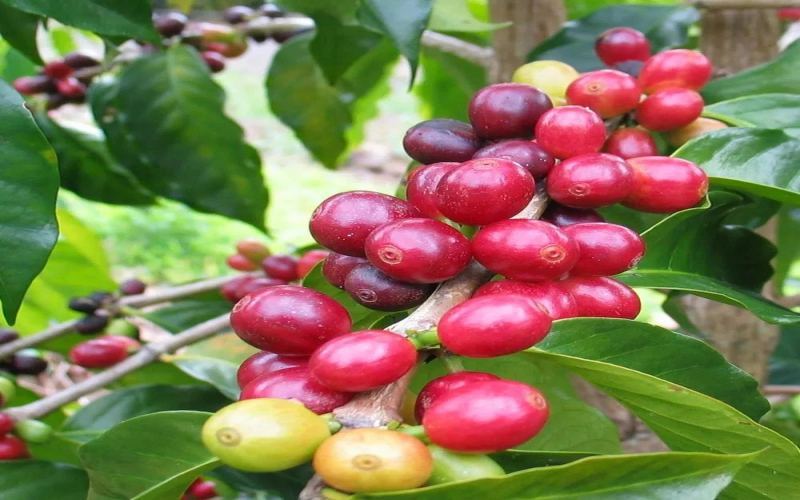
A Detailed Guide to the Grade Classifications and Flavor Differences of Panama Hacienda La Esmeralda Geisha Coffee Beans: Red Label, Green Label, and Blue Label
Geisha coffee has been highly sought after in the global specialty coffee scene in recent years, and the Geisha produced by Hacienda La Esmeralda in Panama is the benchmark among them. Faced with the different grades of Esmeralda Geisha on the market—Red Label, Green Label, Blue Label, and others—many coffee lovers are often confused: What exactly are the differences between them? Which one suits them better? This article begins with the history of Hacienda La Esmeralda, then sorts out in detail the grading criteria, growing altitudes, processing methods, and flavor characteristics of the three major grades—Red Label, Green Label, and Blue Label—and includes Front Street Coffee's brewing suggestions and flavor descriptions for each grade, helping you find the Geisha that suits you best. [more…]

Cantonese pineapple beer reported to contain a cockroach, triggering a food safety trust crisis for a beloved heritage drink
Recently, a netizen posted online claiming to have found a cockroach in a can of Guangdong-style pineapple beer, an old domestic brand beverage purchased during the Mid-Autumn Festival, and the related photos quickly sparked widespread attention. The poster said that when pouring it out to drink that day, they noticed a foreign object resembling a cockroach larva at the can opening, and subsequently blurred the image as required by the platform. Many netizens in the comments expressed shock and even strong discomfort. Some netizens explained that the foreign object in the picture might be a cockroach egg capsule, possibly caused by cockroaches crawling in and laying eggs during storage. This Guangdong national drink, founded in 1934, carries the childhood memories of several generations, and this incident has deeply saddened many consumers. The manufacturer responded that the production process is strictly hygienic, the possibility of foreign objects is extremely low, and no complaint had been received through official channels. The truth of the incident remains to be verified, but food safety, as a bottom-line issue, has once again sounded the alarm of a trust crisis for an old brand. [more…]
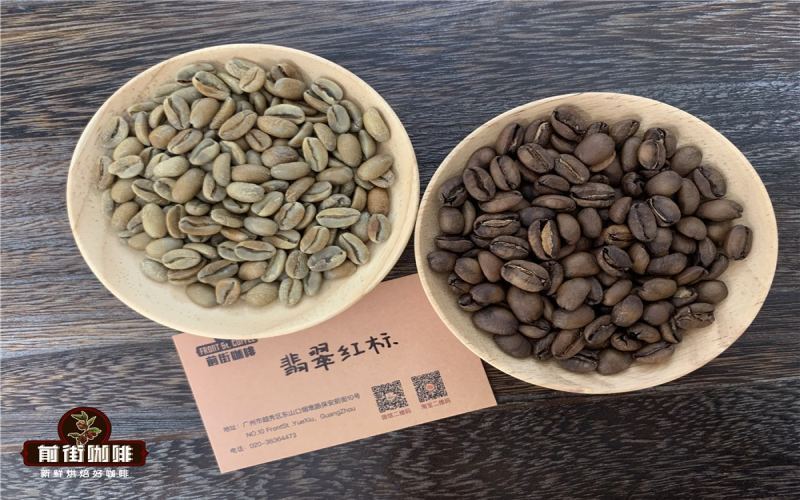
Panama Hacienda La Esmeralda Geisha Pour-Over Parameters Explained | Brewing Guide for Geisha from Different Regions
Geisha coffee rose to fame at Hacienda La Esmeralda in Panama and became popular worldwide for its delicate floral aroma and elegant fruity acidity. This article covers the origin of the Geisha variety, Hacienda La Esmeralda's red, green, and blue label grading system, and the flavor differences of Geisha from producing regions such as Costa Rica, Ethiopia, and Colombia. It focuses on answering questions about pour-over parameters for Panama Esmeralda Special Geisha, including water temperature, coffee-to-water ratio, grind size, and staged extraction techniques, and includes Front Street Coffee's brewing recommendations and flavor descriptions. It is a useful reference for coffee enthusiasts who want to gain a deeper understanding of brewing Geisha. [more…]

Why Does Dark Roast Coffee Still Taste Sour? Explaining the Causes Behind Differences in Acidity and Bitterness Across Roast Levels
Many people believe that dark roast coffee should be completely free of acidity, but is that really the case? Front Street Coffee has noticed that some friends unexpectedly taste acidity in dark roasted beans, and even suspect that the roaster didn't roast them properly. In fact, the acidity in coffee comes from two sources: the organic acids inherent in the green beans, and the acetic acid produced by the caramelization reaction during roasting. The darker the roast, the more the organic acids break down, and the acidity decreases accordingly—but it doesn't disappear entirely. The reason the acidity in dark roast coffee is hard to detect is that the intense bitterness and signature aromas of smoke and chocolate mask it. This article will explain, from the perspectives of the causes of acidity, differences in roast level, and perception mechanisms, why dark roast coffee can still carry acidity, and in which situations that acidity is more likely to be tasted. [more…]
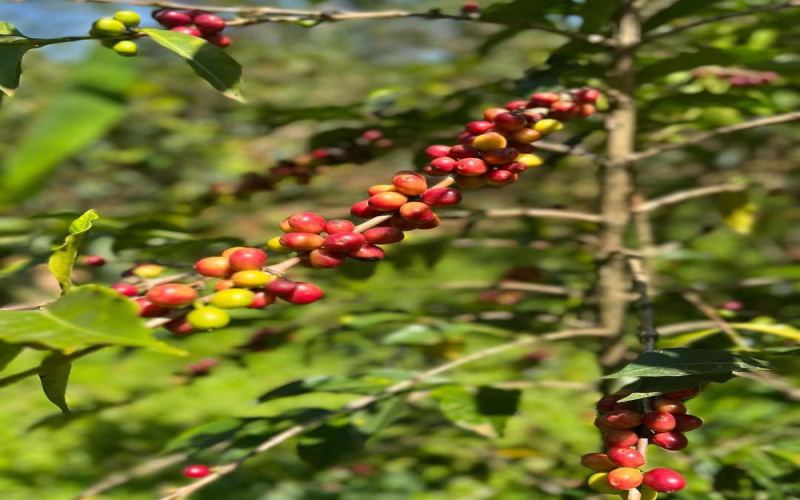
Pros and Cons of Decaf Coffee | What Is Decaffeinated Coffee? How Is Caffeine Removed? Is Decaf Coffee Specialty Coffee?
Starting the day with a cup of coffee to kick off work has become a habit for many friends. With the development of the coffee industry, more and more novel coffee processing methods have emerged. Front Street Coffee currently has several anaerobic and wine-barrel processed coffee beans, available in stores and online. [more…]

A popular café in Shenzhen sparks debate after refusing service to customers with dyed hair; the shop responds that it is due to venue restrictions
Recently, a trendy café in Shenzhen made headlines on social media for refusing to serve customers with dyed hair. According to a report by Southern Metropolis Daily, a consumer posted a complaint saying that she was reminded by staff that the store did not serve customers with dyed hair and was then arranged to change seats. More surprisingly, another female customer wearing Crocs also received a similar reminder. Although there was a notice board at the entrance, it did not specify any particular dress code requirements. After the incident went viral, netizens were sharply divided: some argued that a café, as a business venue, should not be selective about its customers, while others believed that the store had the right to set its own service standards. The café responded that the brand was not discriminating against customers with dyed hair, but because the store is located on a campus and serves as a teaching support facility, it has no choice but to impose certain dress requirements on customers. [more…]